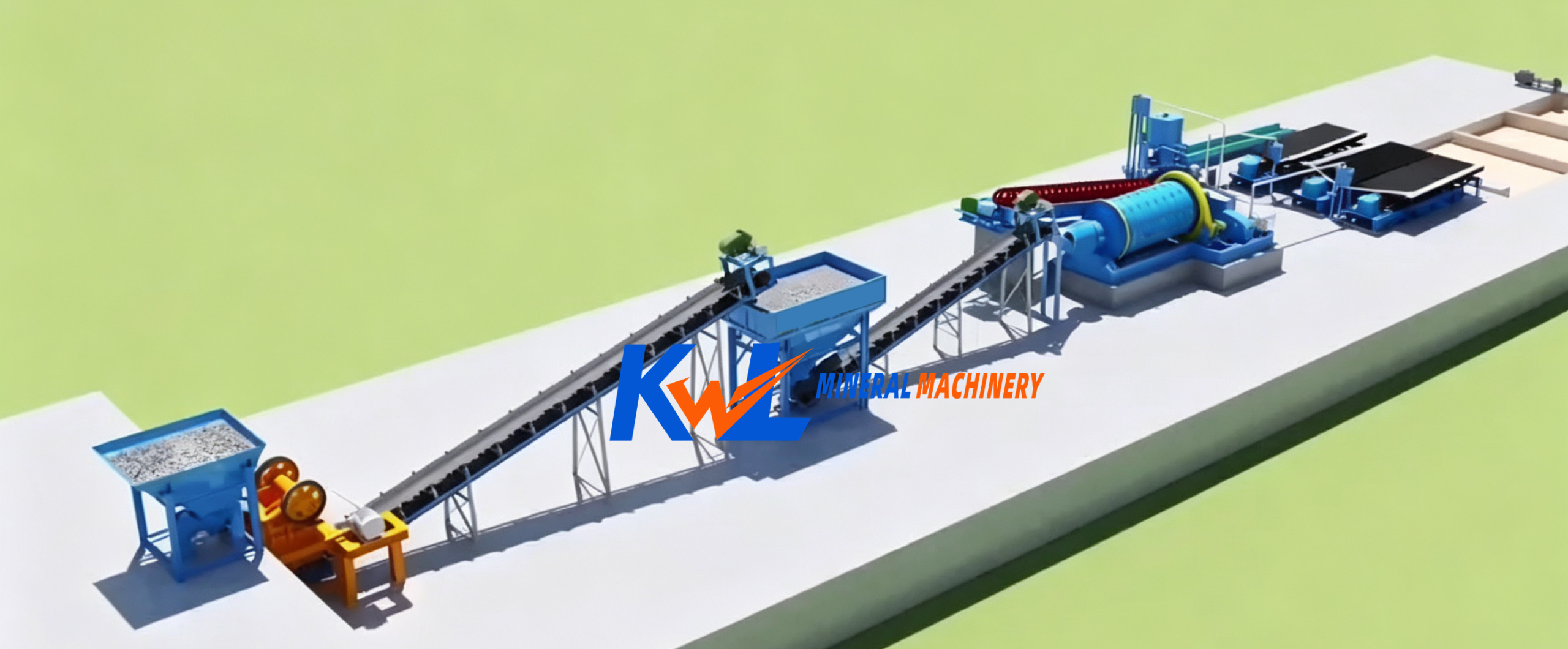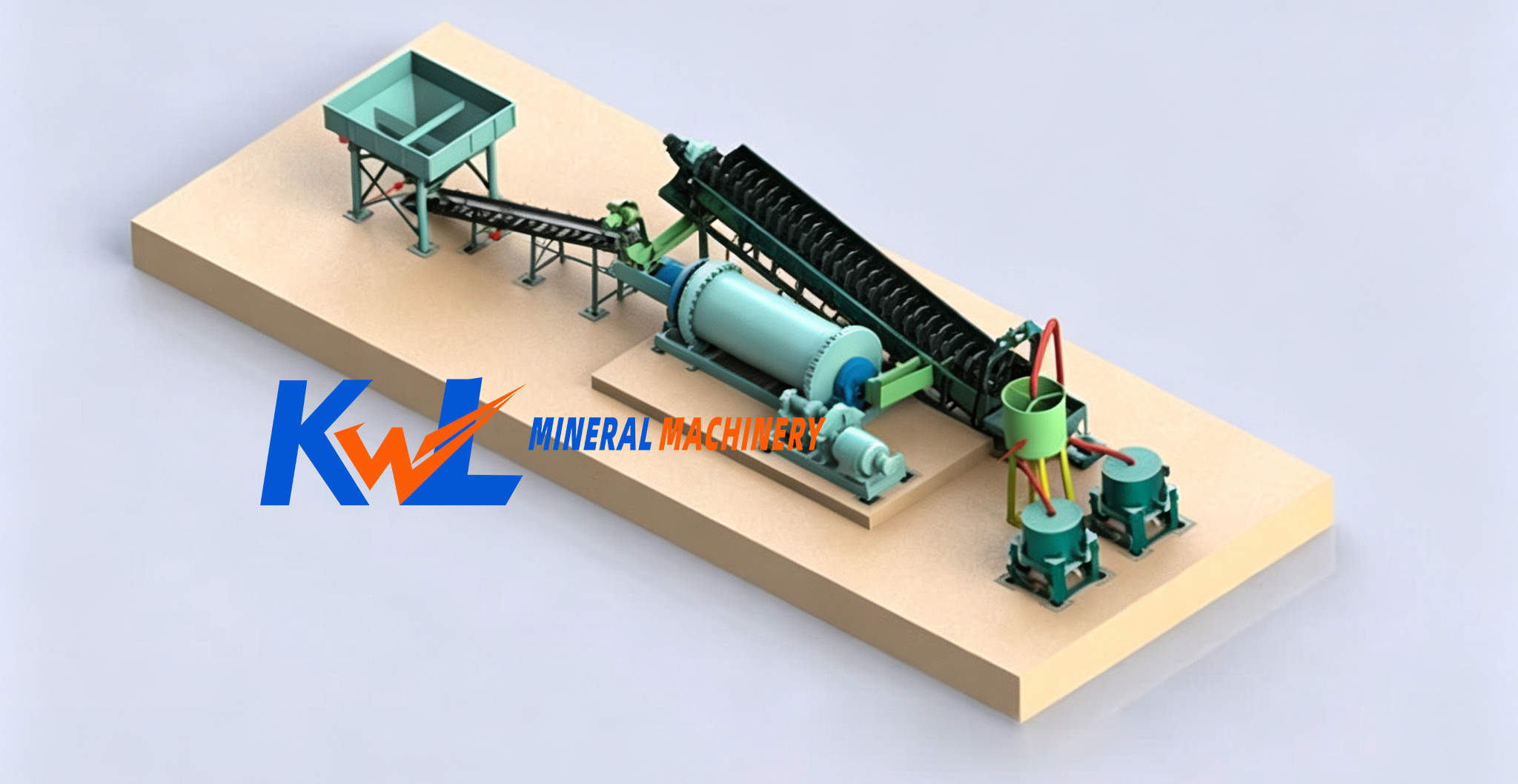
The beneficiation process flow of rock gold ore encompasses crushing, grinding, gravity concentration, flotation, and table concentration, with each stage achieving the gradual enrichment and purification of gold through specialized equipment. The specific process and equipment are as follows:
Crushing process
Crushing is the primary step in mineral processing, with the aim of reducing the raw ore to a particle size suitable for grinding, laying the foundation for subsequent operations.
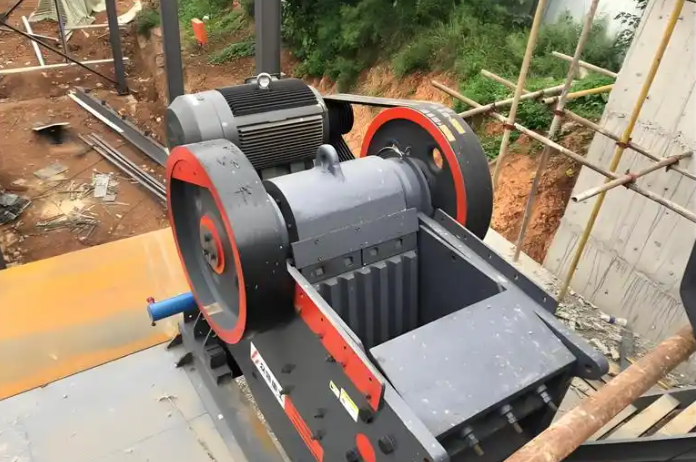
Coarse crushing: A jaw crusher is employed, which boasts a sturdy structure and is capable of efficiently processing hard raw ores, reducing large ore blocks to smaller particle sizes.
Fine crushing: Using a cone crusher and leveraging the laminar crushing principle, the coarse-crushed ore is further crushed to produce a product with uniform particle size, typically crushed to a suitable range for grinding, providing good material conditions for the grinding operation.
Grinding Process
Grinding is a crucial step to ensure the full dissociation of gold minerals, separating gold from other minerals in the ore through grinding.
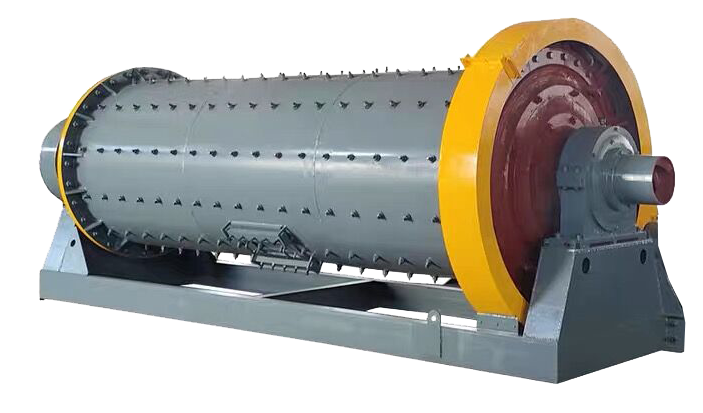
Equipment: Overflow ball mills are commonly used for wet grinding. The ball mill is equipped with steel balls, which, through their impact and grinding action, reduce the material to approximately 200 mesh, allowing gold minerals to dissociate from the ore.
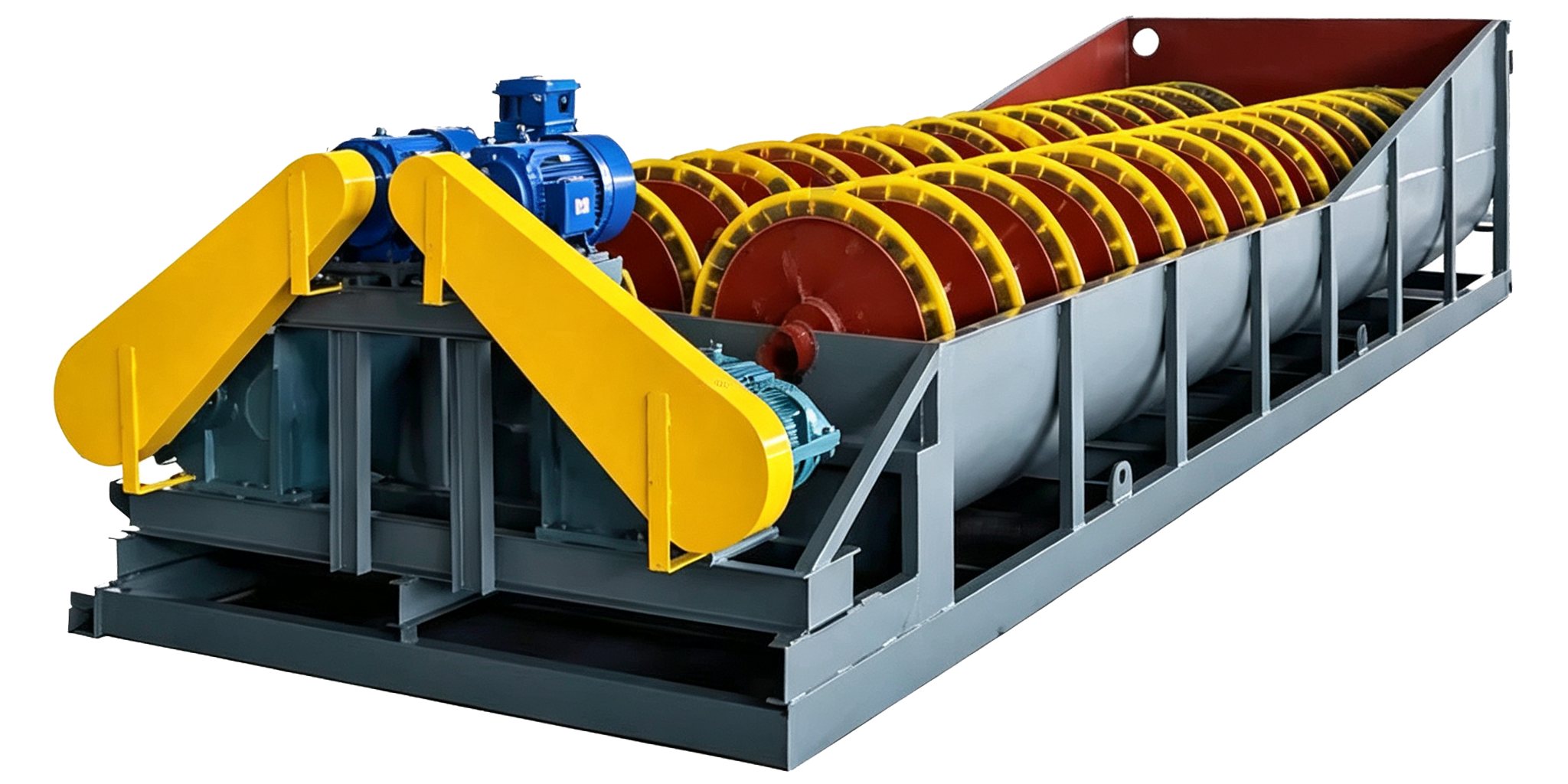
Auxiliary equipment: To enhance grinding efficiency, ball mills are often paired with spiral classifiers to form a closed-loop system. The spiral classifier can separate qualified and unqualified particles in real time, returning the unqualified coarse particles to the ball mill for further grinding, ensuring that the degree of mineral liberation entering subsequent sorting operations meets the required standards.
Re-election and enrichment
For coarse-grained gold that has undergone monomer dissociation, gravity separation is an economical and effective enrichment method that achieves the separation of gold particles from gangue through differences in mineral density.
Jig: It utilizes pulsed water flow to loosen and compact the bed layer. During the movement of the bed layer, efficient separation of gold particles and gangue is achieved based on density differences, completing the preliminary enrichment of gold.
Agitation chute: It is commonly used for processing jig tailings. By combining mechanical vibration and gravitational sedimentation, it enables fine-grained gold to settle and be recovered in the chute, significantly improving the recovery rate of fine-grained gold.
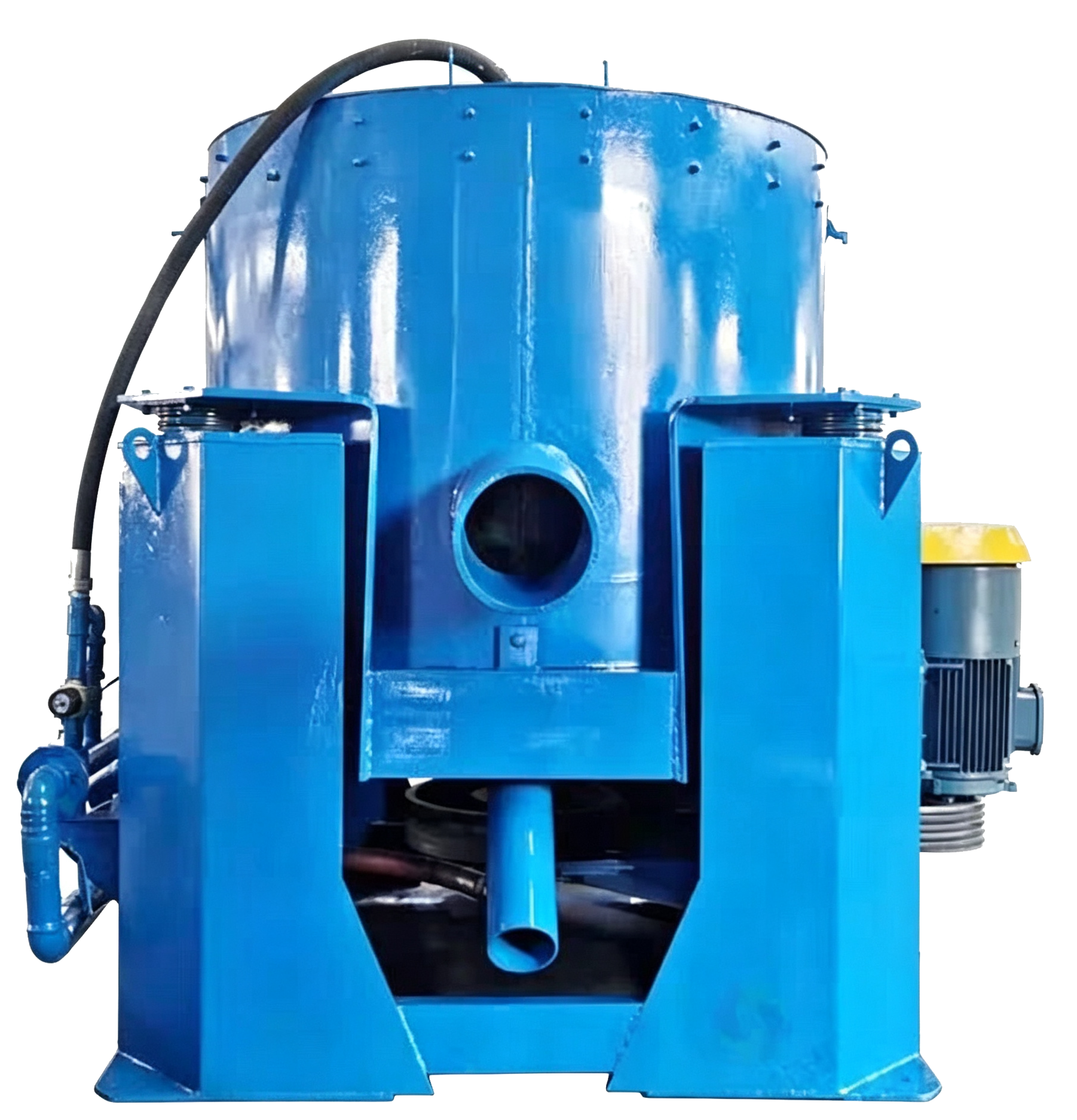
Centrifugal concentrator: Under the influence of a high-intensity centrifugal force field, it exhibits unique recovery efficiency for fine-grained gold. It is commonly used for the re-scavenging of agitated chute tailings, separating fine-grained gold from gangue through centrifugal force, thereby minimizing gold loss to the greatest extent possible.
Flotation process
For fine-grained disseminated or complex associated gold ores, flotation serves as an important supplementary or main process, achieving the separation of gold minerals through differences in mineral surface properties.
Equipment: Mechanical agitation flotation machine is used.
Principle: By adding specific reagents to adjust the hydrophobicity of the mineral surface, the surface of gold minerals becomes hydrophobic after the attachment of reagents. In the flotation machine, gold minerals selectively adhere to the bubbles and float up to form foam products, while gangue minerals remain in the slurry, thus achieving the separation of gold minerals from gangue minerals.
Shaking bed selection
The coarse concentrate obtained through gravity separation or flotation usually needs to be further refined using a shaking table to further improve the grade of the gold concentrate.
Equipment: Use a shaking table.
Principle: The shaking table utilizes the combined action of asymmetric reciprocating motion of the table surface and lateral water flow washing to make mineral particles with different densities move along different paths. Gold mineral particles with higher density move along shorter paths, while gangue mineral particles with lower density move along longer paths, ultimately obtaining high-grade gold concentrate
The beneficiation of rock gold ore requires flexible selection of crushing, grinding, gravity separation, flotation, and cleaning equipment and processes based on the ore properties (such as the dissemination size of gold, symbiotic relationships, etc.). Only through the coordinated operation of each link can ideal beneficiation indicators be achieved.