Analysis of the complete mineral processing technology for tantalum-niobium oxide ore
We have summarized a complete set of standardized and customized mineral processing technologies tailored for small and medium-sized mines as well as large-scale mineral processing plants, based on the ore characteristics, mineral processing pain points, and production capacity requirements of tantalum-niobium oxide ores. Today, we will deeply analyze the efficient mineral processing scheme for tantalum-niobium oxide ores from four dimensions: equipment selection, process logic, on-site implementation, and key points to avoid pitfalls.
First, understand the ore: core beneficiation challenges of tantalum-niobium oxide ore
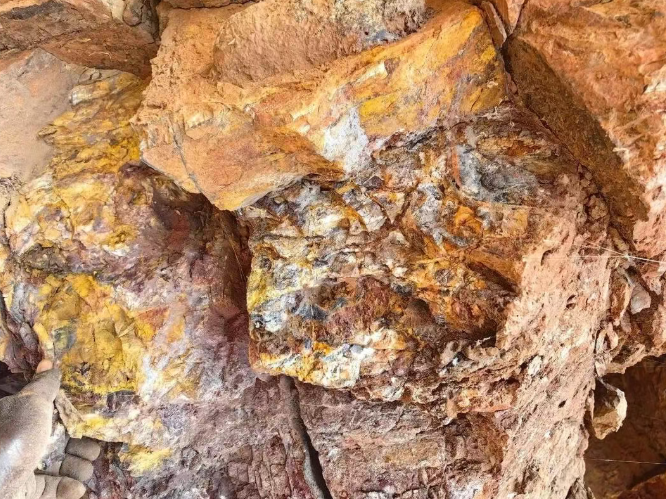
Severe weathering and high silt content: The ore is loose and fragile, with a high content of primary and secondary silt. This tends to encapsulate minerals and clog equipment, resulting in low concentrate grade and tailings leakage
The embedded granularity is fine and uneven: coarse and fine particles coexist, with coarse particles being easy to recover and fine particles being easy to lose. Simple grinding is prone to over-crushing, greatly increasing the difficulty of gravity separation
The gangue impurities are complex: associated with quartz, feldspar, mica, iron and manganese oxides, with a density close to tantalum-niobium minerals, making it impossible to completely separate them through single gravity separation
Minerals are fragile and prone to sliming: Improper control in the crushing and grinding process can lead to significant loss of fine-grained tantalum and niobium, directly reducing the overall recovery rate
Based on the above characteristics, the core design logic of our equipment factory is: desliming first, light grinding and dissociation, multi-stage gravity separation, combined cleaning, middlings recycling, eliminating over-crushing, strictly controlling ore loss, and improving concentrate grade.
Ore washing and desliming (a crucial preliminary process that determines the efficiency of subsequent mineral processing)
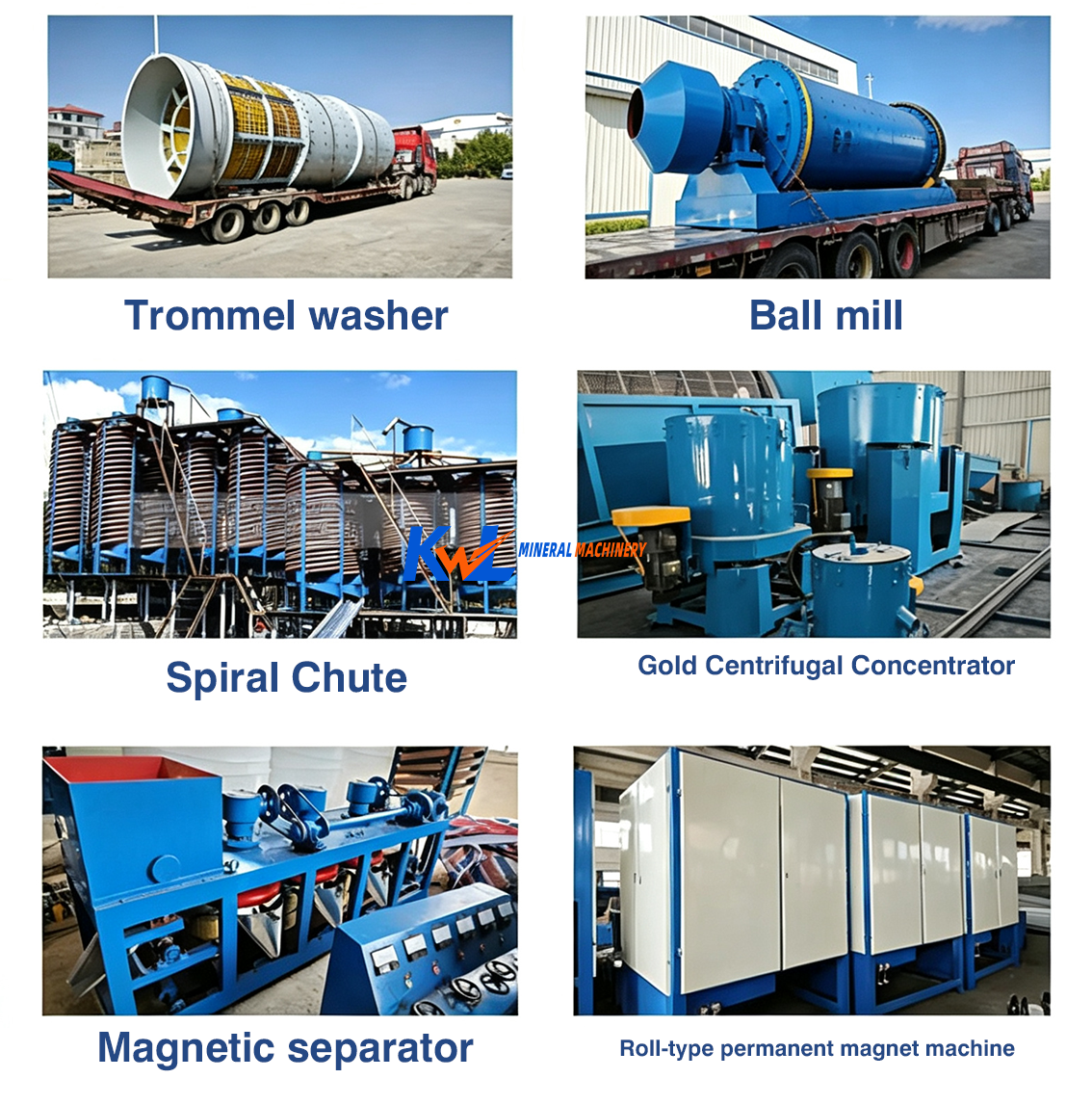
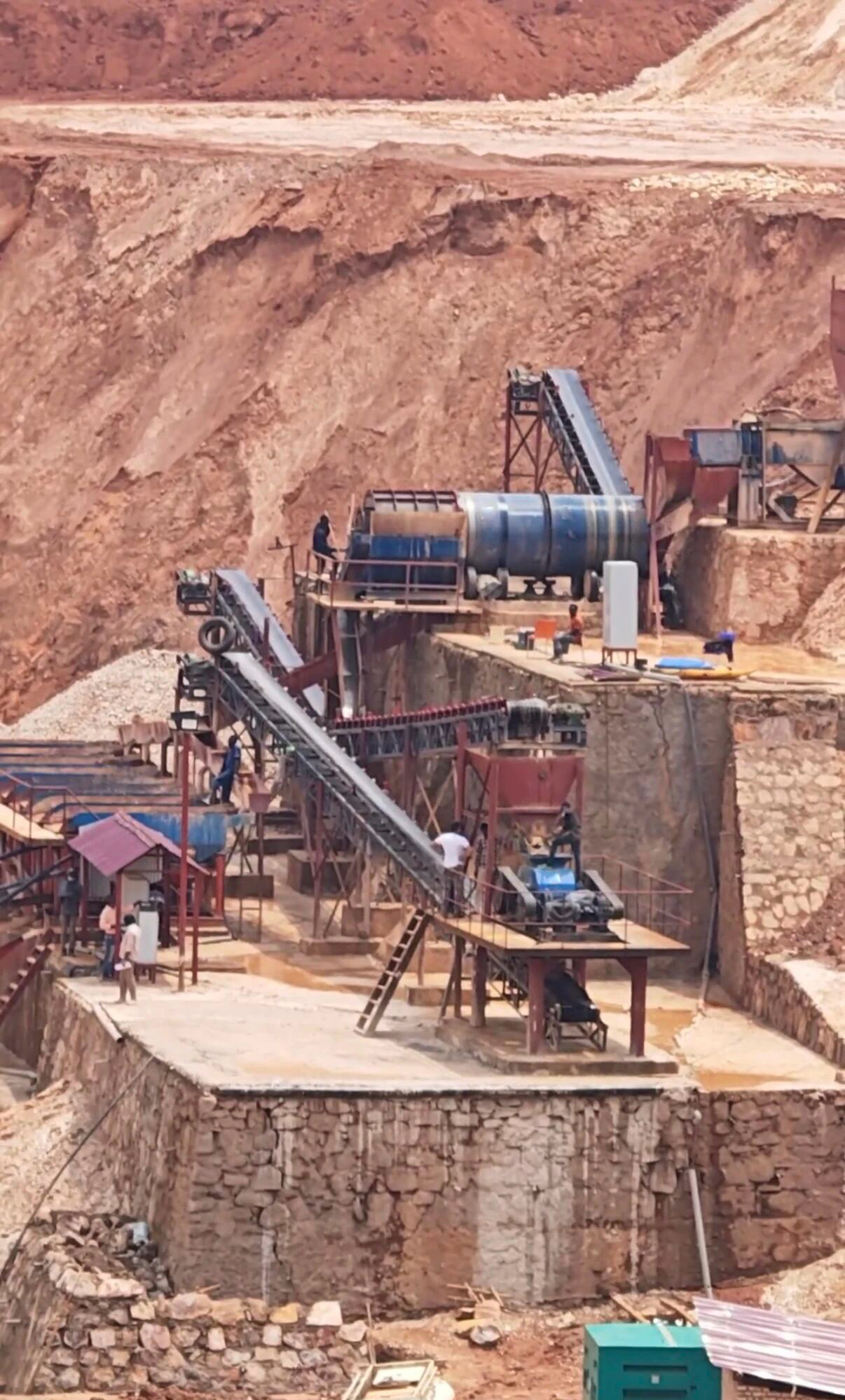
Core equipment configuration: vibrating feeder + drum ore washing screen + high-pressure flushing system
Process logic: The raw ore is uniformly fed by a feeder, strongly washed by a high-pressure water gun, and graded and screened by a roller screen, thoroughly stripping the mud and fine mud impurities on the ore surface. The coarse ore on the screen enters the crushing process, while the fine mud below the screen is separately precipitated and treated to avoid mixing of mud into the subsequent separation system.
Crushing process: multi-stage segmented crushing (strictly controlling particle size to prevent over-crushing)
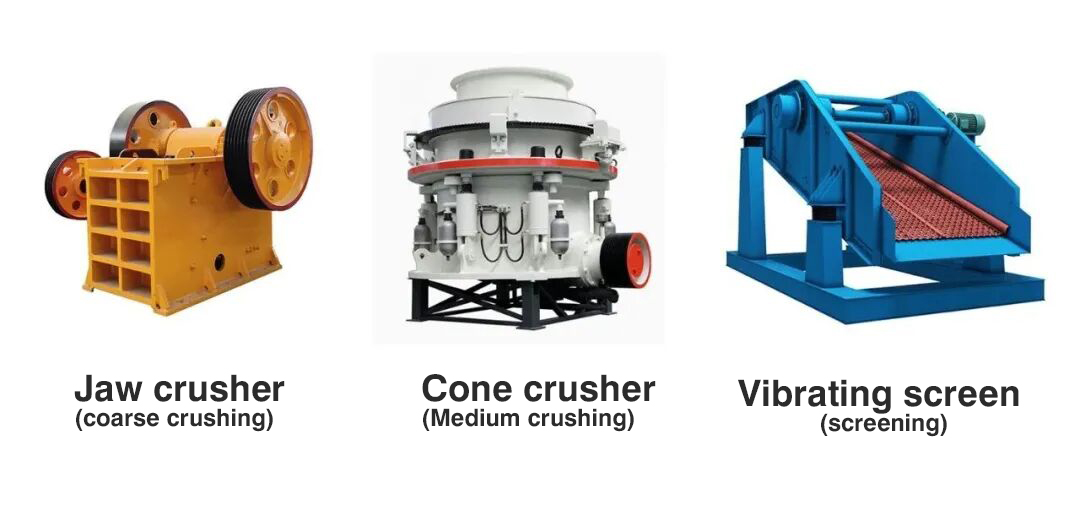
Core equipment configuration: Jaw crusher (coarse crushing) + Cone crusher (secondary crushing) + Circular vibrating screen (closed-circuit screening)
Process parameters: raw ore ≤500mm, coarse crushing by jaw crusher to ≤100mm, secondary crushing by cone crusher, followed by classification via a vibrating screen with a mesh size of 10-15mm. The oversize material is returned to the cone crusher for closed-loop crushing, while the undersize qualified material enters the grinding workshop. The final discharge particle size is stable at ≤15mm.
Ore grinding and dissociation: Closed-circuit grinding (precise dissociation, with consideration for recovery rate) ensures a stable discharge particle size of ≤15mm.
The core of ore grinding is not to grind it finer, but to achieve sufficient monomer dissociation of minerals, maximize the retention of effective particle sizes, and avoid the loss of fine-grained tantalum and niobium.
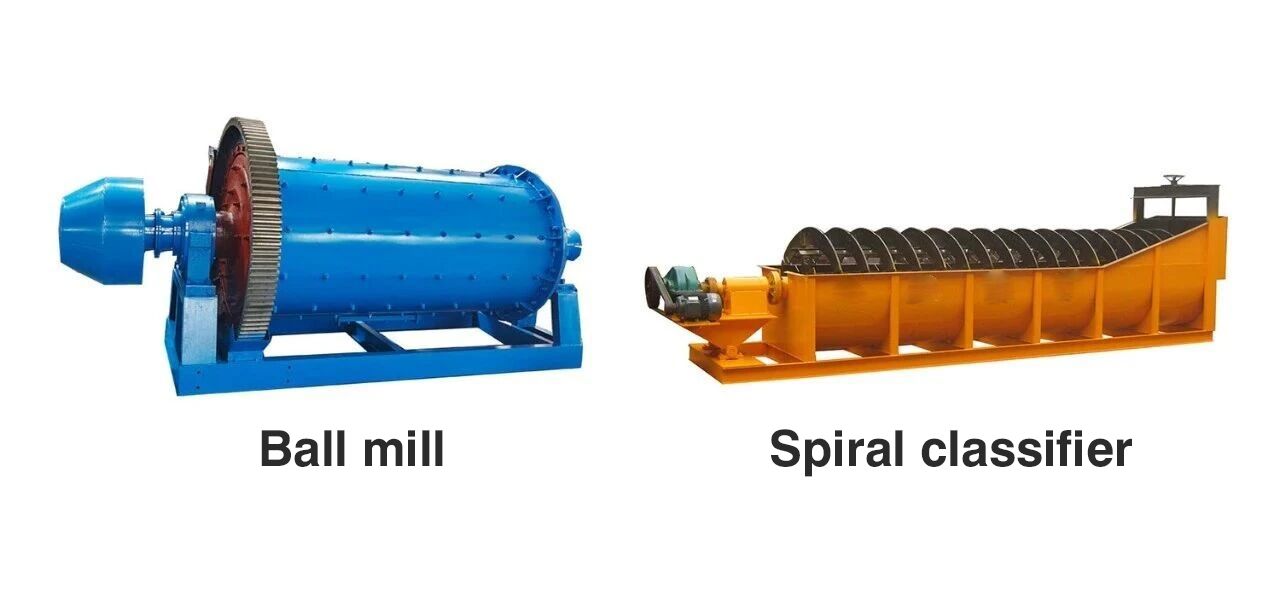
Core equipment configuration: lattice ball mill + spiral classifier (closed-loop circulation)
Process logic: Qualified crushed materials are fed into the ball mill for grinding, forming a closed-loop circulation with the spiral classifier. Coarse particles are returned to the ball mill for re-grinding, while qualified fine-grained materials overflow into the sorting process.
Key parameters: The grinding fineness should be controlled at 60%-80% passing 0.074mm, which is suitable for the fine-grained dissemination characteristics of tantalum-niobium oxide ore. This ensures mineral liberation while preventing excessive grinding and slime formation.
Coarse selection and enrichment: multilevel gravity separation and discarding waste (low-cost and high-efficiency enrichment)
The density of tantalum-niobium minerals ranges from 6.5 to 8.3 g/cm³, which is significantly higher than that of gangue minerals such as quartz and feldspar (2.6-3.0 g/cm³). Gravity separation is the most economical roughing method for tantalum-niobium oxide ores, with no chemical cost and being environmentally friendly.
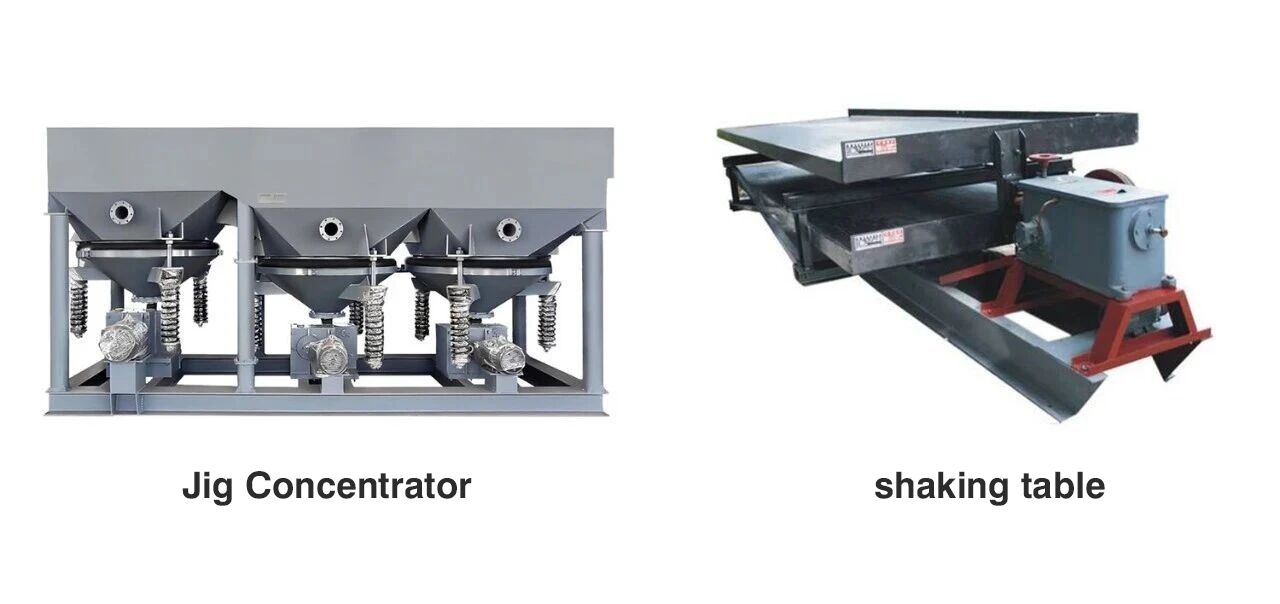
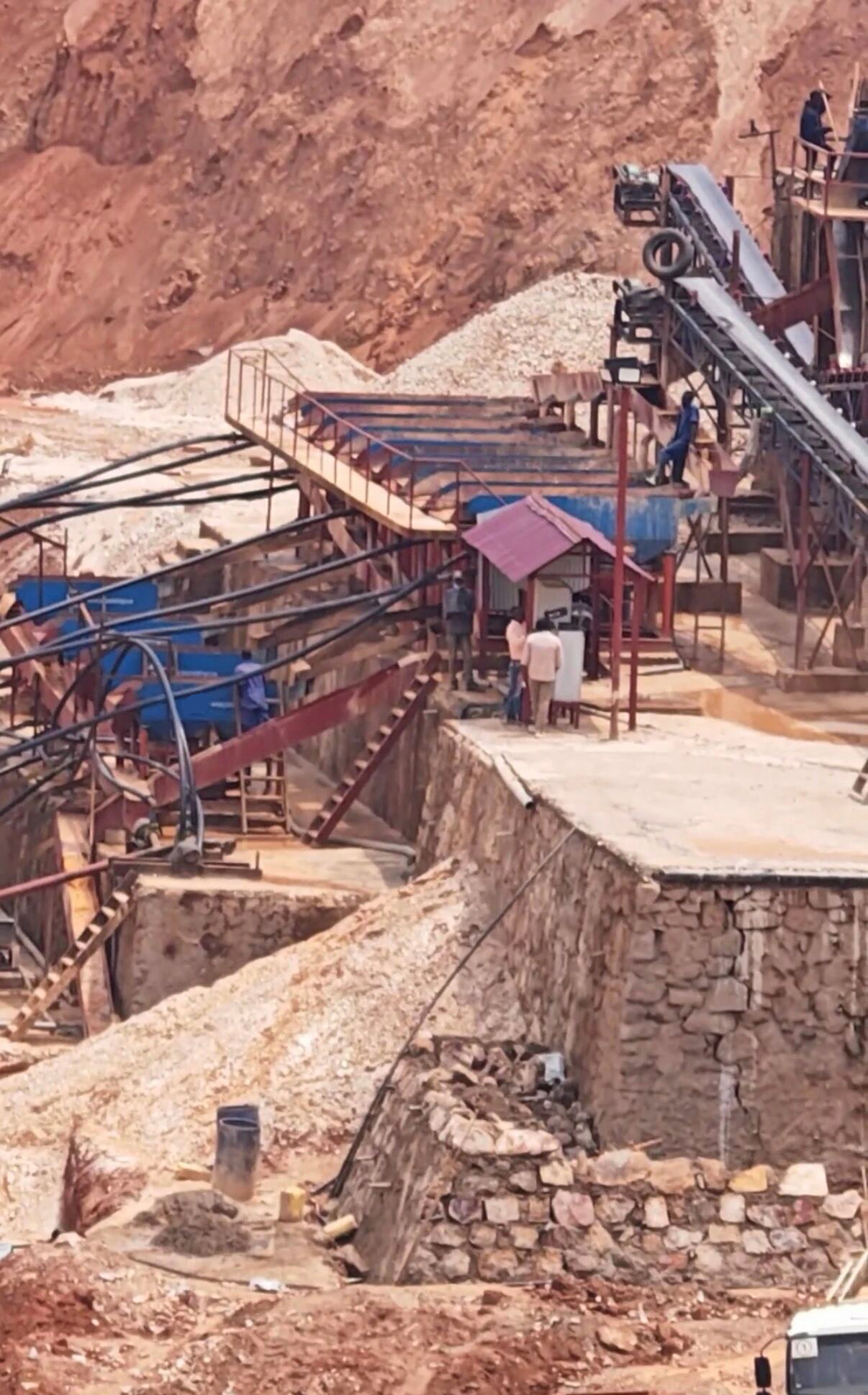
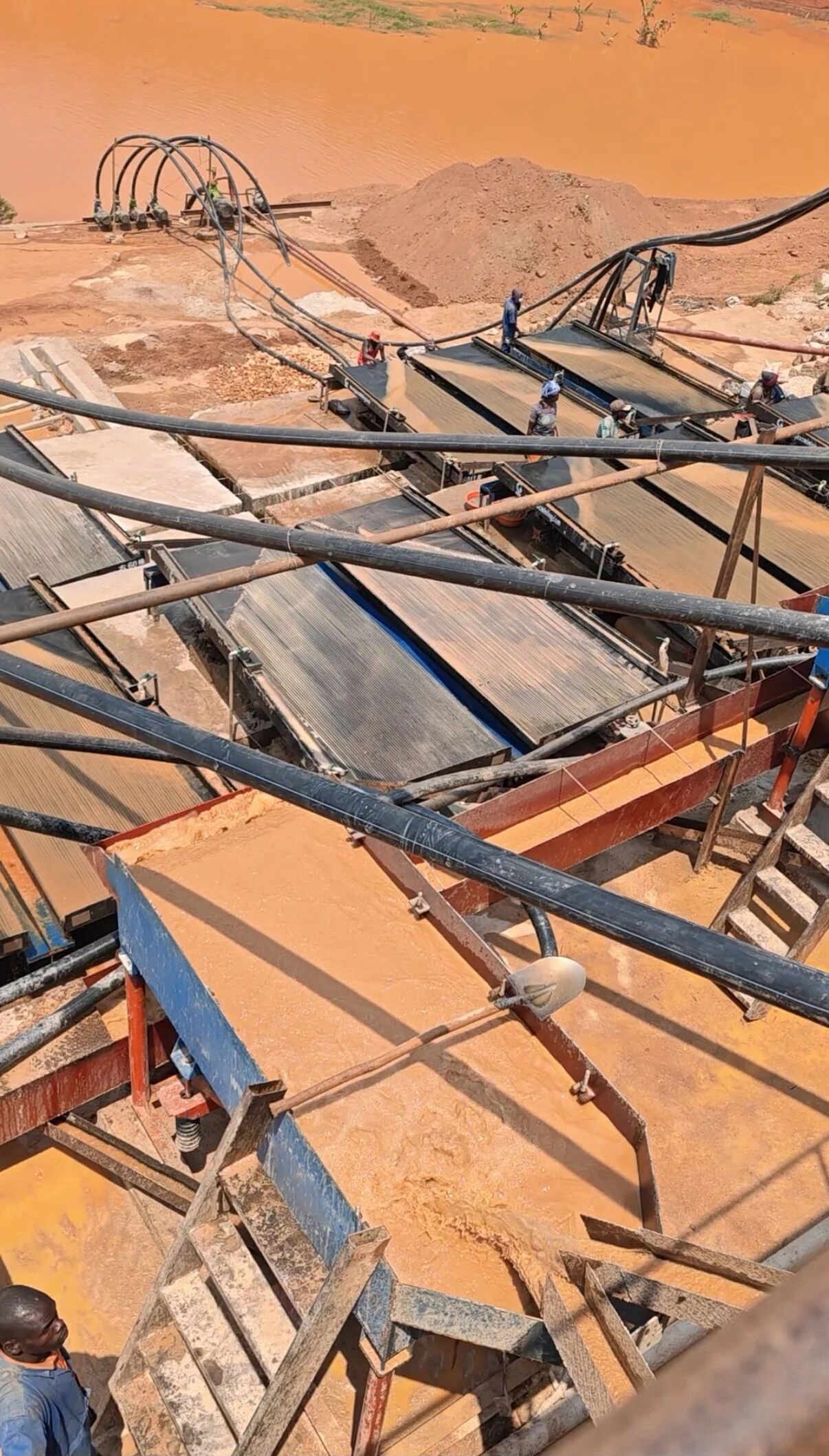
Core equipment configuration: jig (coarse particle discarding) + multi-layer shaking table (fine particle enrichment)
The qualified ore materials after grinding are first processed by a jig to quickly remove a large amount of low-density gangue tailings, thus completing the preliminary enrichment. The jig concentrate and middlings are then sent to a table for multiple roughing and scavenging processes to further enhance the grade, resulting in the production of low-grade mixed rough concentrate.
Selected purification: Combined process of magnetic separation and electrostatic separation (to remove impurities and obtain qualified concentrate)
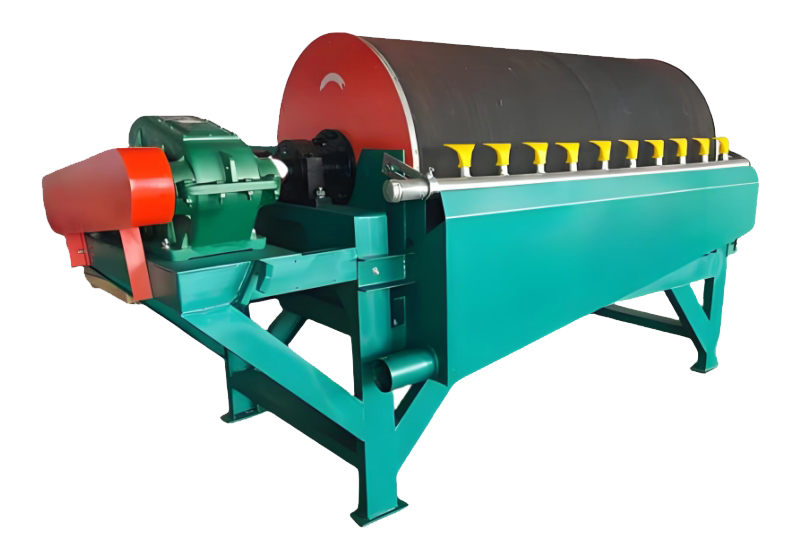
Core equipment configuration: high gradient magnetic separator + electrostatic separator
Magnetic separation for impurity removal: Utilizing magnetic differences, iron and manganese oxides, as well as magnetic gangue, are removed from the crude concentrate through a high-gradient magnetic separator, thereby purifying the tantalum-niobium crude concentrate;
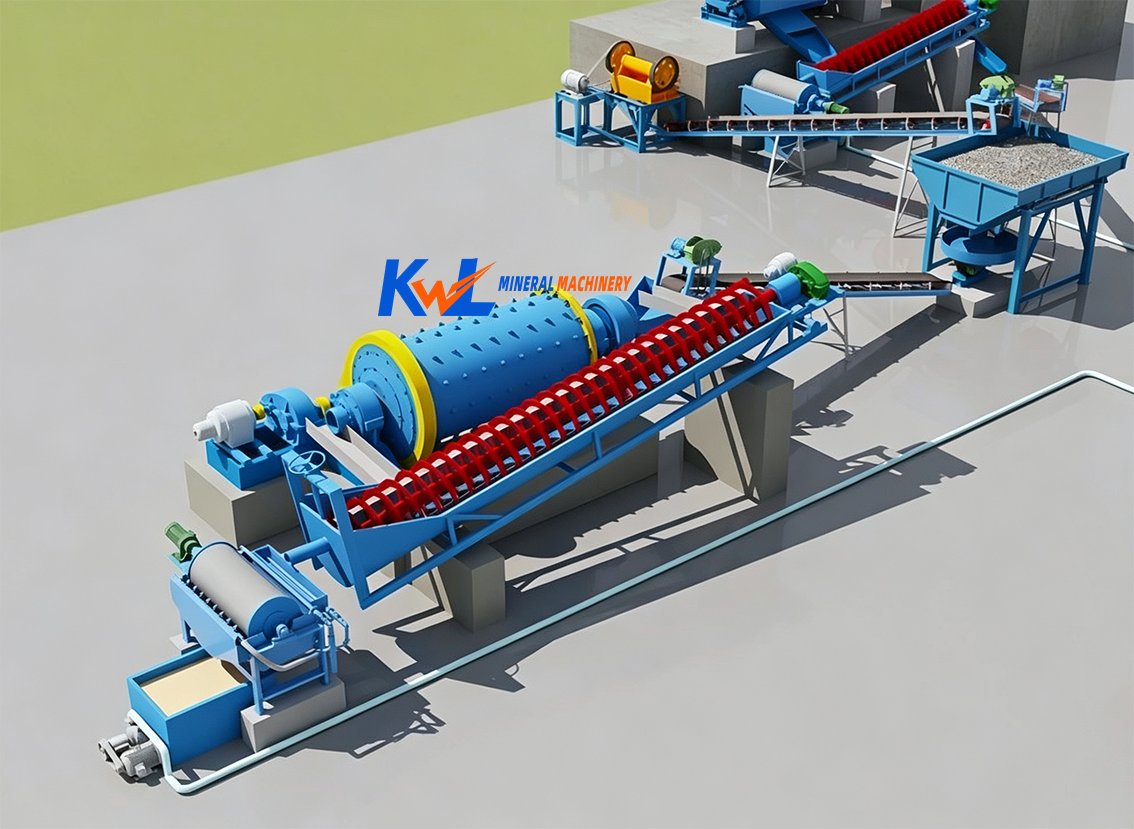
Process: ore washing → crushing → grinding → jigging + table concentration
Advantages: low investment, simple operation and maintenance, quick return on investmen